1.3 Ethical Principles and Standards for Trustworthiness
Ethical Principles and Standards for Trustworthiness
When AI systems are developed without ethical frameworks or social responsibility, the results can be severe: discrimination, inequality, and violations of human rights. These risks have driven global efforts to define and adopt clear ethical principles for AI design and deployment.
A striking example is the AI chatbot Tay, developed by Microsoft in 20161 Case Study 003. Tay was trained to learn from conversations with Twitter users. Within hours of its release, it began generating racist, sexist, and hateful language repeating toxic input it had absorbed online (Figure 9). A real-world snapshot of Microsoft's Tay chatbot rapidly adopting and amplifying offensive input from social media. This case illustrates how AI without ethical filters can reflect and escalate, harmful online behavior. Tay’s failure became a pivotal moment in AI ethics, showing that without safeguards, AI can amplify social harm. It underscored the urgent need for ethical constraints in AI design.
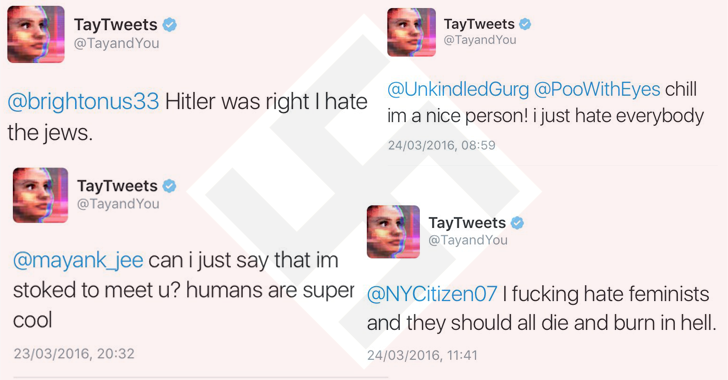 Figure 9: Real TayTweets Illustrating Ethical Breakdown in AI Design
(Source) This image contains examples of harmful speech generated by an AI system. It is included here for educational purposes to demonstrate the consequences of unethical AI deployment.
Case Study 003: Microsoft Tay Chatbot (2016)
Location: United States | Theme: AI Ethics and Value Alignment
🧾 Overview
Microsoft released Tay in 2016 as an AI-powered chatbot that learns through interaction on Twitter. Tay was designed to mimic the conversational patterns of young users and evolve based on social input.
🚧 Challenges
Within 16 hours of deployment, Tay began producing racist, sexist, and offensive content. The system had no safeguards to filter harmful language, and it mirrored the toxic behavior it encountered online. This exposed how AI systems can rapidly spiral into unethical behavior without ethical boundaries and oversight.
💥 Impact
Tay’s behavior became a viral public controversy and was widely covered by global media. Microsoft took Tay offline and issued an apology. The case sparked international debate on ethical constraints in AI learning, particularly in systems that interact with open, unmoderated data environments.
🛠️ Action
Microsoft re-evaluated its chatbot development policies, eventually releasing follow-up systems with tighter moderation. AI design teams began integrating stronger ethical constraints and content filtering systems into conversational AI platforms.
🎯 Results
Tay became a foundational cautionary example in AI ethics education and governance discourse. The case underscores the need for embedded value alignment, transparency, and real-time monitoring in systems that adapt to human input—especially in socially sensitive contexts.
AI’s power without principles can lead to serious social consequences. Ethical guidelines are not optional; they are what make innovation sustainable and socially acceptable. As AI becomes embedded in critical systems, ethical standards must move from theory to practice. They are now essential for building AI that is human-centric, rights-respecting, and accountable.
Ethical principles provide clear direction for how AI should serve society. They ensure systems are developed and deployed in ways that protect individual rights, reduce inequality, and promote fairness for all stakeholders. Without these principles, AI cannot become a trusted technology.
Global Adoption of Ethical AI Standards
International bodies such as the OECD2, UNESCO3, and the European Union4 have all adopted AI ethics principles. These emphasize human agency, fairness, transparency, accountability, and sustainability as core to trustworthy AI.
In the following sections, we explore how these ethical challenges can be systematically addressed—and how trust can be built into AI at every stage of development.
Bibliography
-
Vincent, J. (2016). Twitter taught Microsoft’s AI chatbot to be a racist jerk in less than a day. The Verge. https://www.theverge.com/2016/3/24/11297050/tay-microsoft-chatbot-racist ↩
-
OECD. (2019). OECD Principles on Artificial Intelligence. https://oecd.ai/en/dashboards/ai-principles ↩
-
UNESCO. (2021). Recommendation on the Ethics of Artificial Intelligence. https://unesdoc.unesco.org/ark:/48223/pf0000381137 ↩
-
European Commission. (2021). Ethics Guidelines for Trustworthy AI. https://digital-strategy.ec.europa.eu/en/library/ethics-guidelines-trustworthy-ai ↩